6 Ways to Close the Drive-Thru Loyalty Gap for Multi-Location Operators (2026)
Your busiest channel is probably your blindest one. More than half of QSR revenue flows through the drive-thru window, and most loyalty programs cannot identify a single guest who uses it.
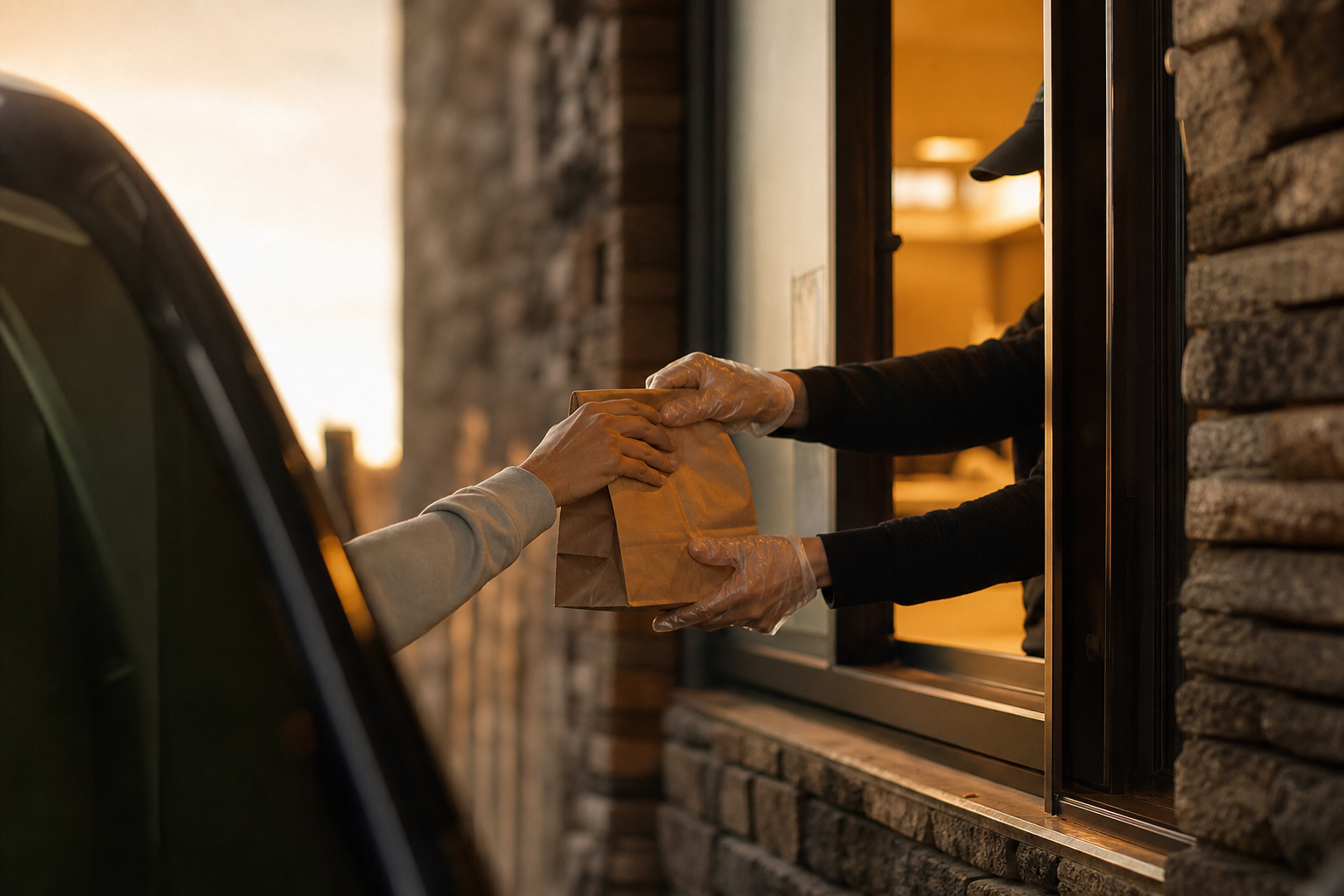
Your busiest channel is probably your blindest one. More than half of QSR revenue flows through the drive-thru window, and most loyalty programs cannot identify a single guest who uses it.
They pull up, order, pay, and leave. No name, no history, no relationship. Just revenue that evaporates the moment the car pulls away.
That gap is not a technology problem in the abstract. It is a compounding business problem. Every anonymous transaction is a customer who never enters your loyalty ecosystem, never receives a reason to return specifically, and never builds the kind of habit that turns a one-time visit into a decade of lifetime value. The math is quiet but relentless.
In brief: The drive-thru loyalty gap describes the disconnect between a restaurant's highest-volume sales channel and its loyalty program's inability to identify or engage guests who use it. According to PAR Engagement, more than 50% of QSR revenue flows through the drive-thru, yet most loyalty programs cannot capture a guest identity at the window. Operators who close this gap convert anonymous transactions into named relationships, which is the prerequisite for any retention strategy to work. The proof of success is not a signup metric; it is a customer who comes back.
The drive-thru loyalty gap is the structural failure that occurs when a business's highest-volume transaction channel operates entirely outside its loyalty identification system, making it impossible to recognize, reward, or re-engage the guests who generate that revenue.
---
1. Understand exactly how much revenue is already invisible to you
Before you can fix the gap, you need to feel its actual size. According to PAR Engagement, more than 50% of QSR revenue flows through the drive-thru. If your loyalty program identifies, say, 30% of your total guests, and the drive-thru is your dominant channel, the overlap between "loyalty member" and "drive-thru guest" may be vanishingly small.
Run this exercise at your locations: pull your drive-thru transaction count for a week, then pull your loyalty redemptions for the same period. The gap between those two numbers is your invisible customer base. Give it a dollar value. That number, not a percentage, is what makes the problem feel real enough to act on.
---
2. Treat the window as an enrollment moment, not just a transaction moment
The drive-thru window is thirty seconds of human contact. Most operators use it only to hand over a bag. That is a missed enrollment opportunity at scale.
A simple, trained prompt from the cashier ("Do you want points on that? Takes five seconds on your phone") costs nothing and converts meaningfully when it becomes habit. The friction has to be near zero, which means the enrollment path needs to work on a phone in a car in under a minute. QR codes on receipts, on window clings, or on the bag itself can extend that moment past the window. The goal is to give the guest a reason to identify themselves before they drive away, not after.
Chipotle's in-restaurant loyalty work shows what happens when you commit to this: their rewards membership reached 23 million members, driven in significant part by in-restaurant engagement efforts designed to capture guests who were already spending but not yet identified.
---
3. Use SMS as the re-engagement channel for guests you almost captured
Sometimes a guest enrolls but never returns. Sometimes they give a phone number at signup and then go quiet. SMS is the channel that reaches them when nothing else does.
According to Salesmsg's 2026 State of SMS Benchmark Report, SMS open rates sit at 98%, compared to 22% for email. That is not a marginal difference; it is a different category of communication. A message that says "You haven't visited in three weeks, here's a reason to come back" lands in a place the guest actually looks.
The discipline here is restraint. One well-timed, relevant message outperforms five generic ones. If you know a guest typically visits on Fridays and they missed two in a row, that is your trigger. The message writes itself.
---
4. Deploy wallet passes to create a persistent, frictionless loyalty presence
A loyalty card that lives in Apple Wallet or Google Wallet does something a paper punch card and a downloaded app both fail to do: it stays visible without requiring the guest to remember to open anything.
Wallet passes can be updated remotely, which means you can push a new offer to every pass holder without them doing anything. They can be location-aware, surfacing a notification when a member is near one of your locations. And they require no app download, which removes the single biggest barrier to loyalty enrollment for drive-thru guests who are not going to stop and install something at the window.
Hospitality loyalty research from MyDigiMenu points to frictionless redemption as one of the core drivers of guest rebooking. Wallet passes are the most frictionless redemption surface available on a smartphone today.
---
5. Build location-aware messaging that triggers on proximity, not just calendar
Most SMS campaigns are calendar-driven: Tuesday is taco day, so everyone gets a message Tuesday morning. That works, but it misses the guest who is already in your parking lot on a Thursday with no prompt to come in.
Location-aware messaging flips the logic. When a loyalty member's phone enters a geofence around your location, you can send a message that meets them where they already are. "You're nearby. Today's special is X" is more useful than a Tuesday blast to someone who is nowhere near you.
This approach requires that guests have opted into location-based notifications, which is why the wallet pass enrollment path matters so much. A pass that requests location permission at setup creates the infrastructure for proximity messaging across your entire enrolled base.
For operators running multiple locations, this also solves a segmentation problem: you stop sending the same message to everyone and start sending relevant messages to people who are actually near a specific store.
---
6. Measure loyalty by return visits, not by enrollment numbers
This is the discipline that separates operators who build real retention from those who build impressive-looking dashboards. Enrollment is an input. Return visits are the output. If your loyalty program has 10,000 members but only 20% of them have visited more than once, you do not have a loyalty program; you have a list.
The metric to track is repeat visit rate among enrolled members, segmented by channel. What percentage of members who enrolled via drive-thru came back within 30 days? Within 60? How does that compare to members who enrolled in-store? Those numbers tell you where your enrollment experience is working and where it is leaking.
According to TextDrip's 2026 analysis of restaurant retention, long-term restaurant growth rarely comes from new customer acquisition; it comes from repeat diners. That is the frame. Every loyalty initiative you run should be evaluated against one question: did it bring someone back?
---
Closing thought
The drive-thru loyalty gap is not a problem that gets solved once. It is a discipline that gets built over time, location by location, enrollment by enrollment. The operators who close it are not doing anything exotic. They are treating every anonymous transaction as a missed introduction, and they are building systems that make the introduction easier to have.
The goal is not a bigger member list. The goal is a customer who pulls up to your window next Friday because something you sent them on Wednesday made them think of you first. That is what loyalty actually looks like.
For operators looking at how mobile-first tools fit into this kind of retention work, Auric is worth understanding as a platform built around wallet passes, SMS, and location-aware messaging without requiring technical skills to operate.
---
Frequently asked questions
What is the drive-thru loyalty gap?
The drive-thru loyalty gap is the disconnect between a restaurant's highest-volume sales channel and its loyalty program's ability to identify guests who use it. Because most loyalty programs require an app scan or login at checkout, drive-thru guests who pay quickly and leave are never captured in the system. This means operators cannot reward, recognize, or re-engage those guests, which prevents any retention strategy from reaching them.
How much revenue flows through the drive-thru that loyalty programs miss?
According to PAR Engagement, more than 50% of QSR revenue flows through the drive-thru. If a loyalty program cannot identify guests at the window, that means the majority of transactions at many locations generate no usable customer data. The actual dollar amount of invisible revenue varies by brand, but operators can estimate it by comparing weekly drive-thru transaction counts against loyalty redemptions for the same period.
Why is SMS better than email for restaurant loyalty re-engagement?
SMS reaches guests where they actually look. According to Salesmsg's 2026 State of SMS Benchmark Report, SMS open rates are 98% compared to 22% for email. For time-sensitive offers or lapsed-guest re-engagement, that difference in visibility is decisive. A well-timed, relevant text message from a restaurant is far more likely to prompt a return visit than an email that sits unread in an inbox.
How do wallet passes help close the drive-thru loyalty gap?
Wallet passes live in Apple Wallet or Google Wallet and require no app download, which removes the biggest friction point for drive-thru enrollment. They can be updated remotely with new offers, and they support location-aware notifications that surface when a member is near a location. Because they stay visible on the phone's home screen without any action from the guest, they maintain a loyalty presence between visits in a way that apps and email cannot.
What metric should I actually use to measure loyalty program success?
Repeat visit rate among enrolled members is the metric that matters. Enrollment counts tell you how many people signed up; repeat visit rate tells you whether the program is changing behavior. Track what percentage of members visit more than once within 30 and 60 days of enrollment, and segment that by how they enrolled. A loyalty program's job is to bring customers back, and the only honest measure of whether it is working is whether they return.